
Did you know…?
In this series, we have collected short, interesting and useful facts about everyday work, time management, concentration and efficiency.
These little insights help us understand how people work and how we can make our days a little easier and smoother.
Our aim is not to turn you into an expert, but to give you “aha!” moments . 🙂
🧠 Did you know…?
English video text
Did you know…?
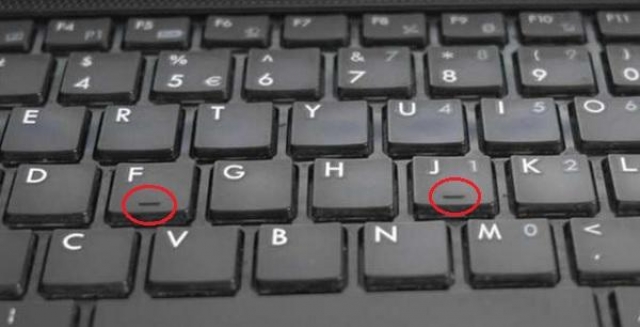
There are small bumps on the F and J keys on your keyboard?
They are there for a reason! They help you find the correct finger position while typing without looking at the keyboard. Touch typing starts with your index fingers resting on F and J.
Next time you type, try placing your index fingers there and let them fly across the keys!
English text version of this topic. The original video contains Hungarian text.


English video text
Did you know…?
Ctrl + Z works in almost every program and can undo most mistakes?
Whether you accidentally delete some text, move an image to the wrong place or make a mistake in Excel, a quick Ctrl + Z can make it as though it never happened!
It is one of the most useful commands ever invented: a real “time travel button” on your keyboard.
English text version of this topic. The original video contains Hungarian text.

English video text
Did you know…?
When you spend a long time looking at a screen, you may blink up to 66% less often?
This means your eyes are less well lubricated, which can lead to dryness, a burning sensation and blurred vision.
Tip: use the 20-20-20 rule!
Every 20 minutes, look at something 20 feet (about 6 metres) away for at least 20 seconds.
This helps rest your eyes and prevent digital eye strain.
English text version of this topic. The original video contains Hungarian text.
🧠 Did you know…?
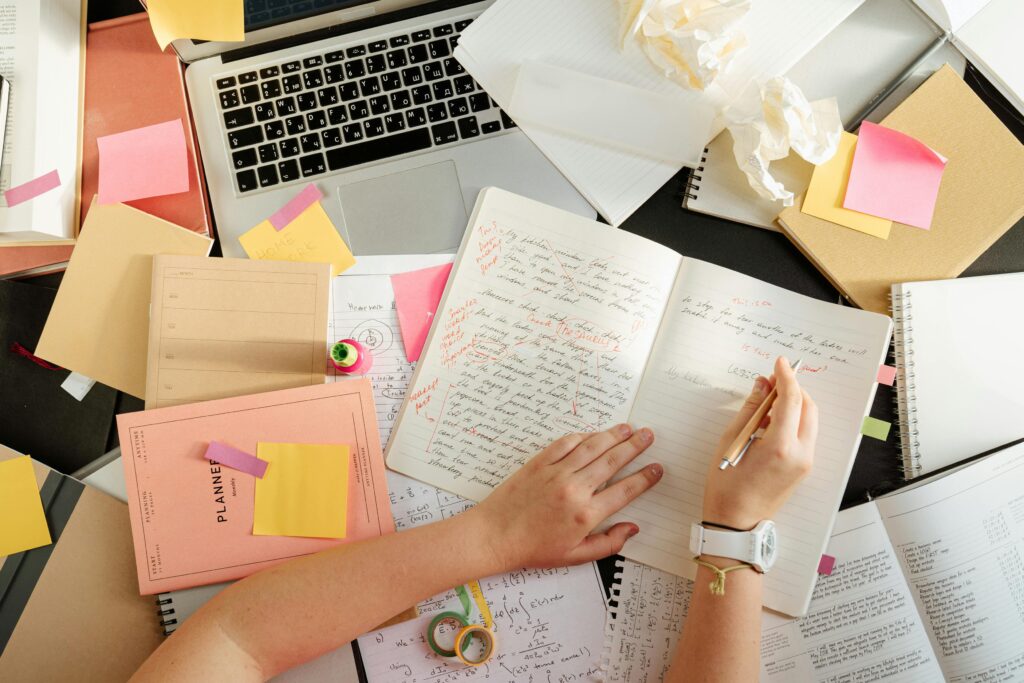
The cluttered desk can cost you up to 8 minutes during every task?
Research suggests that the average worker spends more than 150 hours a year looking for lost items at work, usually on their desk.
🗂️ A little organisation does more than look good: it saves time, too.
✨ A tip: give every item a fixed place so your brain finds it faster and you can focus more easily!
English video text
Did you know…?
The cluttered desk can cost you up to 8 minutes during every task?
Research suggests that the average worker spends more than 150 hours a year looking for lost items at work, usually on their desk.
A little organisation does more than look good: it saves time, too.
A tip: give every item a fixed place so your brain finds it faster and you can focus more easily!
English text version of this topic. The original video contains Hungarian text.
🧠 Did you know…?
The inspiration we need often comes from unexpected places?
📚 Research suggests that creative ideas often draw on other areas of life: reading a book, watching a film, listening to music, going for a walk or even a chance conversation can spark new thoughts.
🌍 Variety brings a breath of fresh air to your brain.
🎯 Tip: try something unusual once a week! Watch a film you would not normally choose. Browse a book outside your usual genre. Or simply take a different route on your walk. Your brain will reward you for the novelty with new ideas. 🙂

English video text
Did you know…?
The inspiration we need often comes from unexpected places?
Research suggests that creative ideas often draw on other areas of life: reading a book, watching a film, listening to music, going for a walk or even a chance conversation can spark new thoughts.
Variety brings a breath of fresh air to your brain.
Tip: try something unusual once a week! Watch a film you would not normally choose. Browse a book outside your usual genre. Or simply take a different route on your walk. Your brain will reward you for the novelty with new ideas.
English text version of this topic. The original video contains Hungarian text.

🧠 Did you know…?
Multitasking, or trying to do several things at once, can reduce your performance by up to 40%?
Our brains do not really handle several tasks in parallel. Instead, they switch between activities very quickly, which can lead to exhaustion, mistakes and stress.
🎯 Tip: Try working in time blocks and focusing on one thing at a time. You will be more effective and less tired.
English video text
Did you know…?
Multitasking, or trying to do several things at once, can reduce your performance by up to 40%?
Our brains do not really handle several tasks in parallel. Instead, they switch between activities very quickly, which can lead to exhaustion, mistakes and stress.
Tip: Try working in time blocks and focusing on one thing at a time. You will be more effective and less tired.
English text version of this topic. The original video contains Hungarian text.
🧠 Did you know…?
The colours can affect your mood and even your performance at work?
🎨 For example:
🔵 The colour blue helps with focus and productivity.
🟢 The colour green has a calming effect and helps you concentrate for longer.
🔴 The colour red sharpens attention, but its effect is short-lived.
🟡 The colour yellow stimulates creativity, although too much can be tiring.
🪴 A little colour in your working environment can have a positive, subconscious effect on your efficiency.

English video text
Did you know…?
The colours can affect your mood and even your performance at work?
For example:
The colour blue helps with focus and productivity.
The colour green has a calming effect and helps you concentrate for longer.
The colour red sharpens attention, but its effect is short-lived.
The colour yellow stimulates creativity, although too much can be tiring.
A little colour in your working environment can have a positive, subconscious effect on your efficiency.
English text version of this topic. The original video contains Hungarian text.
🧠 Did you know…?
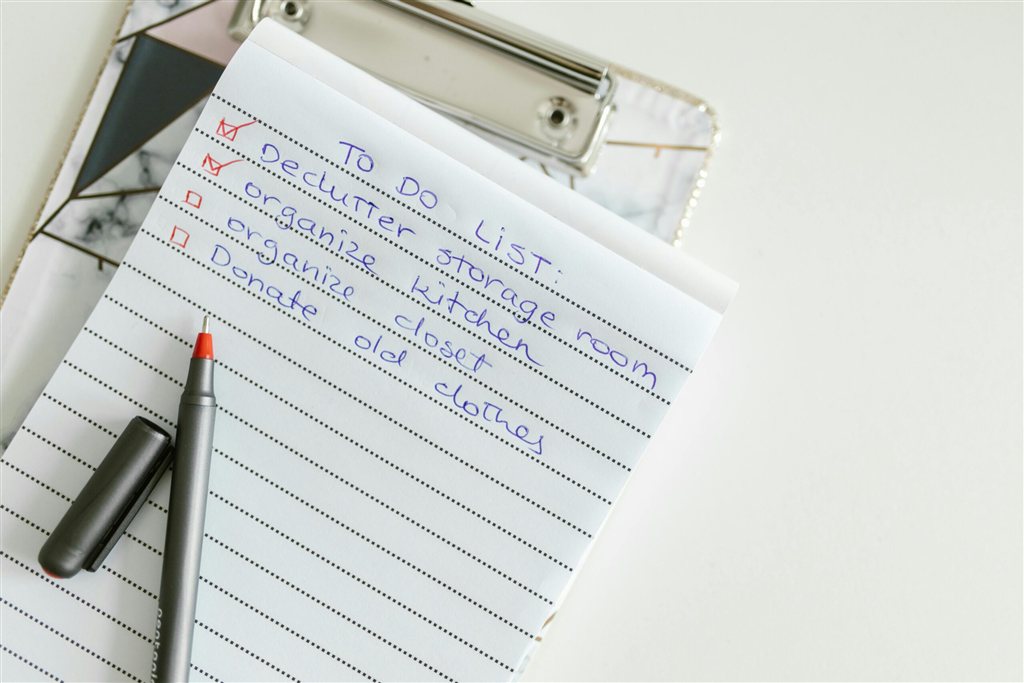
The human brain values the feeling of getting things done much more than we might think?
✅ A simple to-do list does more than keep you organised: it also releases feel-good hormones because every ticked-off item feels like a small success to your brain.
📋 Tip: make a list even for small tasks, such as checking your emails or drinking water. Ticking them off can give you a little dopamine boost to help you through the day!
English video text
Did you know…?
The human brain values the feeling of getting things done much more than we might think?
A simple to-do list does more than keep you organised: it also releases feel-good hormones because every ticked-off item feels like a small success to your brain.
Tip: make a list even for small tasks, such as checking your emails or drinking water. Ticking them off can give you a little dopamine boost to help you through the day!
English text version of this topic. The original video contains Hungarian text.
🐣 Did you know…?
The tradition of decorating Easter eggs goes back thousands of years: even the ancient Persians decorated eggs to celebrate spring!
🎨 Eggs symbolised rebirth, the beginning of life and the renewal of nature. Christianity later incorporated this custom into Easter celebrations, creating the tradition we know and love today, whether we decorate boiled eggs or give chocolate ones.
✨ Tip: Try dyeing eggs naturally this year! Onion skins, beetroot, turmeric and red cabbage produce beautiful colours without artificial dyes.

English video text
Did you know…?
The tradition of decorating Easter eggs goes back thousands of years: even the ancient Persians decorated eggs to celebrate spring!
Eggs symbolised rebirth, the beginning of life and the renewal of nature. Christianity later incorporated this custom into Easter celebrations, creating the tradition we know and love today, whether we decorate boiled eggs or give chocolate ones.
Tip: Try dyeing eggs naturally this year! Onion skins, beetroot, turmeric and red cabbage produce beautiful colours without artificial dyes.
English text version of this topic. The original video contains Hungarian text.

English video text
Did you know…?
Easter sprinkling is a Hungarian folk tradition symbolising fertility and purification?
Its roots go back to pagan times, when water symbolised life, purification and fertility. The custom later gained Christian meaning, and Easter Monday remains the day for sprinkling, even if it is now only symbolic.
In the past, young men used buckets of water to sprinkle young women. Today, perfume or cologne is more common, but a decorated red egg is still part of the reward!
Tip: For a thoughtful modern version, send a short, personal Easter sprinkling poem in a message. A little attention can mean a lot!
English text version of this topic. The original video contains Hungarian text.
🧠 Did you know…?
Smiling can improve your mood even when you do not feel happy?
🙂 Research suggests that facial muscle movements feed back to the brain, so when you imitate a smile, your brain starts producing feel-good hormones as if you were really happy.
😊 Tip: If you are stressed, having a bad day or feeling under pressure, try smiling deliberately for a few minutes, even by holding a pen across your teeth. It may seem ridiculous, but your brain can interpret it as a reason to feel cheerful, and your mood may improve.

English video text
Did you know…?
Smiling can improve your mood even when you do not feel happy?
Research suggests that facial muscle movements feed back to the brain, so when you imitate a smile, your brain starts producing feel-good hormones as if you were really happy.
Tip: If you are stressed, having a bad day or feeling under pressure, try smiling deliberately for a few minutes, even by holding a pen across your teeth. It may seem ridiculous, but your brain can interpret it as a reason to feel cheerful, and your mood may improve.
English text version of this topic. The original video contains Hungarian text.
🧠 Did you know…?
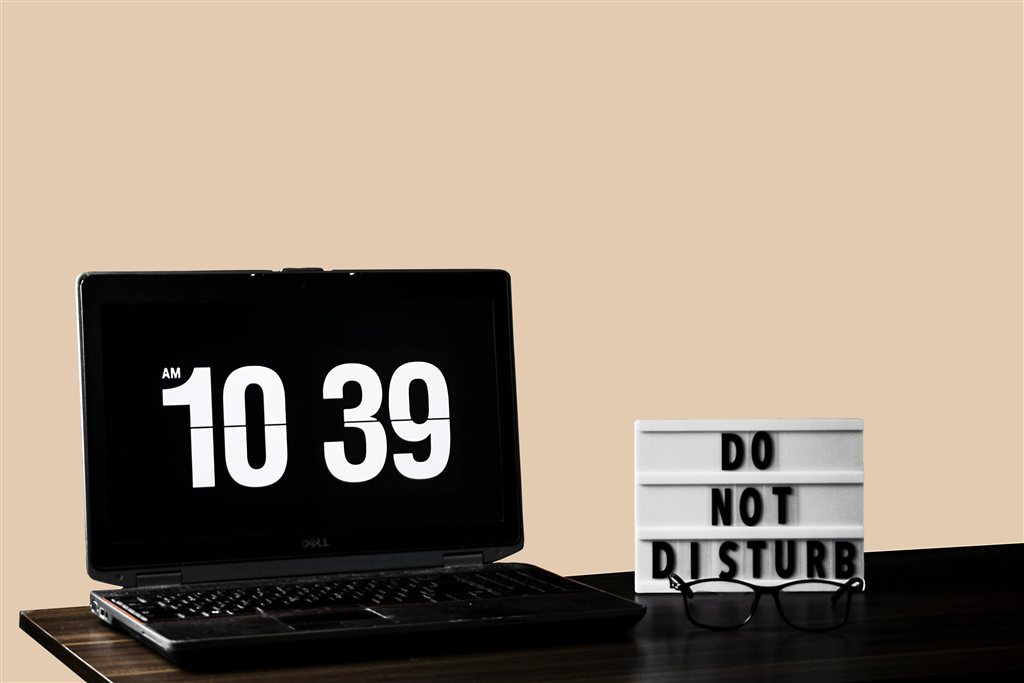
The many notifications, open windows and tabs on your screen can feel like someone is constantly interrupting you?
🔔 Digital noise fragments your attention, and it can take up to 23 minutes to become fully immersed in an interrupted task again.
📵 Tip: Try using Do Not Disturb mode while working and close unnecessary programs. A clear screen means a more focused mind.
English video text
Did you know…?
The many notifications, open windows and tabs on your screen can feel like someone is constantly interrupting you?
Digital noise fragments your attention, and it can take up to 23 minutes to become fully immersed in an interrupted task again.
Tip: Try using Do Not Disturb mode while working and close unnecessary programs. A clear screen means a more focused mind.
English text version of this topic. The original video contains Hungarian text.
🧠 Did you know…?
Research suggests that a short walk even just 5–10 minutes in the fresh air can significantly improve concentration and reduce stress ?
🚶♀️ Your brain needs breathing space. Stepping away from the screen and moving a little can restart creative thinking and leave you feeling more energetic.
🌿 Tip: schedule two or three short movement breaks each day, even a quick walk outside or to the kitchen. It matters more than you might think!

English video text
Did you know…?
Research suggests that a short walk even just 5–10 minutes in the fresh air can significantly improve concentration and reduce stress ?
Your brain needs breathing space. Stepping away from the screen and moving a little can restart creative thinking and leave you feeling more energetic.
Tip: schedule two or three short movement breaks each day, even a quick walk outside or to the kitchen. It matters more than you might think!
English text version of this topic. The original video contains Hungarian text.
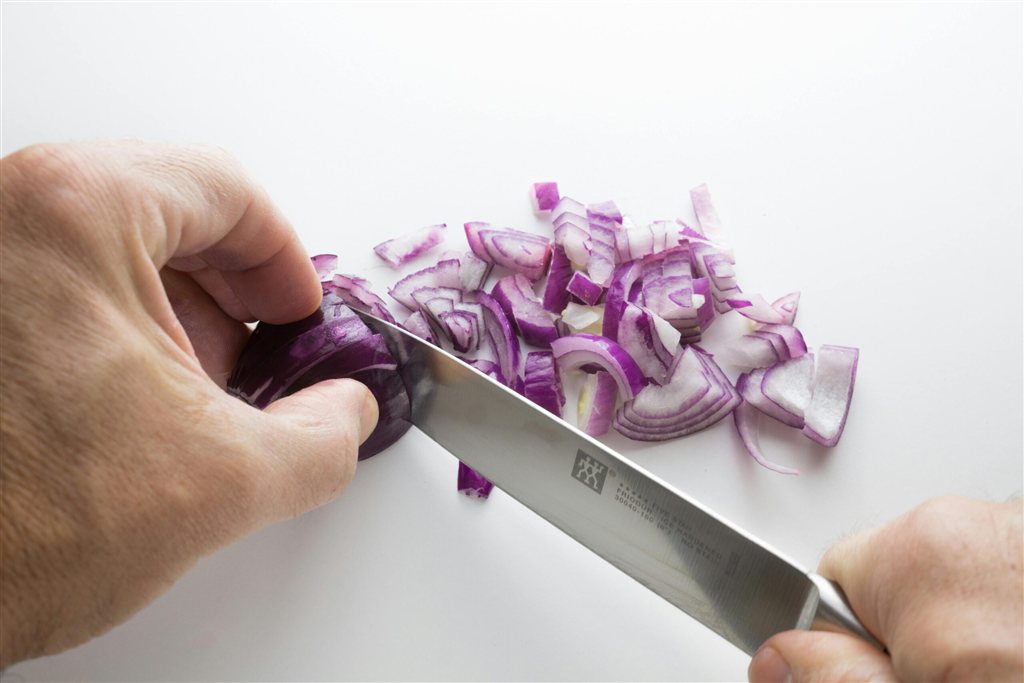
🧠 Did you know…?
Onions make you cry when you cut them because they release a kind of “gas weapon”?
🔬 When onion cells are damaged, for example by cutting, a chemical reaction begins. Enzymes release sulphur compounds that enter the air and irritate your eyes. Your eyes produce tears to wash the irritants away.
🧪 In nature, this helps protect onions from being eaten. The irritating “tear gas” is called the lachrymatory factor and is part of a biological defence mechanism.
💡 Tip: Chilling the onion first, using a wet knife or cutting it under water can slow the reaction and bring fewer tears to your eyes!
English video text
Did you know…?
Onions make you cry when you cut them because they release a kind of “gas weapon”?
When onion cells are damaged, for example by cutting, a chemical reaction begins. Enzymes release sulphur compounds that enter the air and irritate your eyes. Your eyes produce tears to wash the irritants away.
In nature, this helps protect onions from being eaten. The irritating “tear gas” is called the lachrymatory factor and is part of a biological defence mechanism.
Tip: Chilling the onion first, using a wet knife or cutting it under water can slow the reaction and bring fewer tears to your eyes!
English text version of this topic. The original video contains Hungarian text.
🧠 Did you know…?
The feeling that someone is watching you may sometimes be real perception rather than imagination?
🧠 The human brain is highly sensitive to faces and the direction of people’s gaze. Its visual centres, particularly the occipital lobe and the fusiform face area, can detect someone looking at you even through peripheral vision.
🔎 This is an evolutionary ability rather than magic: noticing someone watching you was once crucial for survival, whether they were a hunter or an enemy.
💡 An interesting fact: This perception can work without conscious awareness, which may explain why you instinctively turn around when you “sense” someone’s gaze.

English video text
Did you know…?
The feeling that someone is watching you may sometimes be real perception rather than imagination?
The human brain is highly sensitive to faces and the direction of people’s gaze. Its visual centres, particularly the occipital lobe and the fusiform face area, can detect someone looking at you even through peripheral vision.
This is an evolutionary ability rather than magic: noticing someone watching you was once crucial for survival, whether they were a hunter or an enemy.
An interesting fact: This perception can work without conscious awareness, which may explain why you instinctively turn around when you “sense” someone’s gaze.
English text version of this topic. The original video contains Hungarian text.

English video text
Did you know…?
Listening to music can influence your mood, performance and even your heart rate?
Music directly affects the emotional centres of the brain. Faster tracks can give you energy, while slow, harmonious melodies may reduce stress and anxiety.
An interesting fact: Studies suggest that classical music, particularly works by Mozart and Bach, may help with concentration and learning.
Tip: If you need to focus, try instrumental or lo-fi background music. It can help keep your mind balanced without distracting lyrics.
English text version of this topic. The original video contains Hungarian text.
🧠 Did you know…?
The human brain cannot feel pain ?
🧬 The brain has no pain receptors, so it cannot detect pain itself which is one reason awake brain surgery is possible.
🤯 In headaches and migraines, pain signals come from surrounding tissues, blood vessels, muscles or nerves rather than the brain tissue itself.
💡 An interesting fact: Doctors sometimes talk to patients during brain surgery to identify the areas involved, while the procedure is carried out without pain!

English video text
Did you know…?
The human brain cannot feel pain ?
The brain has no pain receptors, so it cannot detect pain itself which is one reason awake brain surgery is possible.
In headaches and migraines, pain signals come from surrounding tissues, blood vessels, muscles or nerves rather than the brain tissue itself.
An interesting fact: Doctors sometimes talk to patients during brain surgery to identify the areas involved, while the procedure is carried out without pain!
English text version of this topic. The original video contains Hungarian text.
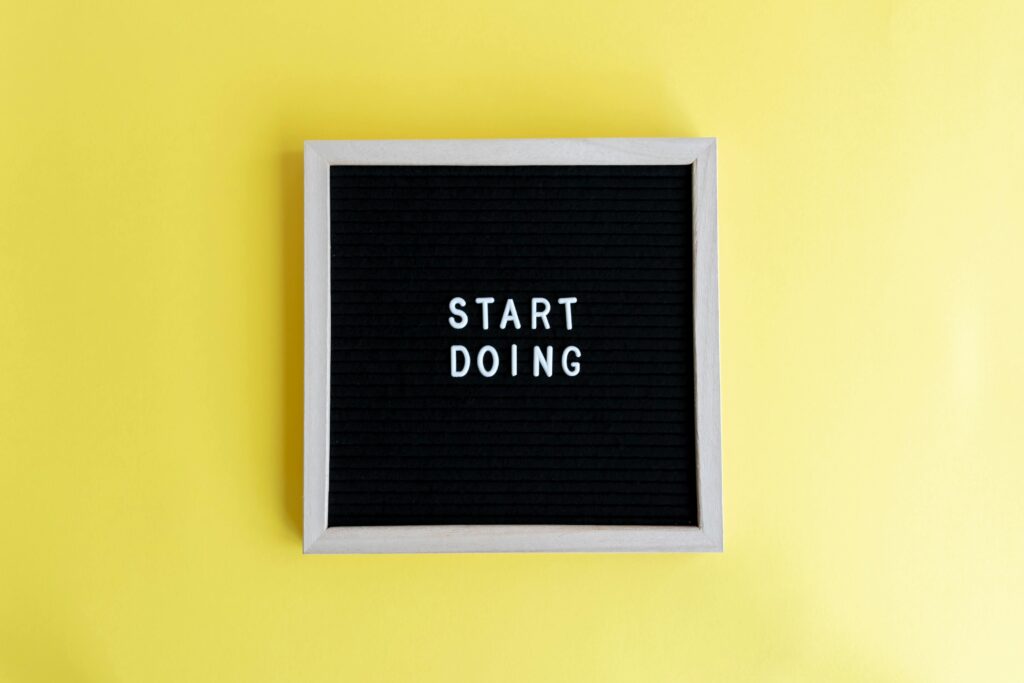
🧠 Did you know…?
Getting through your daily tasks is not always about time; often, it is about making a decision.
🧠 Our brains like to put off things that are neither urgent nor enjoyable.
But saying “I will do it now” gives you a starting point, and that is often enough to get you going.
⏳ Tip: Instead of telling yourself “I will do it later”, say “I will just start now”. After the first two minutes, we often no longer want to stop.
English video text
Did you know…?
Getting through your daily tasks is not always about time; often, it is about making a decision.
Our brains like to put off things that are neither urgent nor enjoyable.
But saying “I will do it now” gives you a starting point, and that is often enough to get you going.
Tip: Instead of telling yourself “I will do it later”, say “I will just start now”. After the first two minutes, we often no longer want to stop.
English text version of this topic. The original video contains Hungarian text.
🧠 Did you know…?
Checking your phone “for just a few minutes” can cost you 20–25 minutes of concentration?
🔁 When you interrupt your work to check a quick notification, your brain needs time to return to the previous task. This is called the task-switching cost, and lots of small interruptions can add up to a significant loss of time.
😵💫 What is more, frequently switching your attention can make you more tired and irritable without you noticing.
💡 Tip: Turn off notifications while working or studying, or put your phone in flight mode during periods of focused work. You can finish sooner and feel less stressed!

English video text
Did you know…?
Checking your phone “for just a few minutes” can cost you 20–25 minutes of concentration?
When you interrupt your work to check a quick notification, your brain needs time to return to the previous task. This is called the task-switching cost, and lots of small interruptions can add up to a significant loss of time.
What is more, frequently switching your attention can make you more tired and irritable without you noticing.
Tip: Turn off notifications while working or studying, or put your phone in flight mode during periods of focused work. You can finish sooner and feel less stressed!
English text version of this topic. The original video contains Hungarian text.

🧠 Did you know…?
Hugging someone can reduce your stress levels in as little as 20 seconds?
🤗 Hugging encourages the brain to produce oxytocin, sometimes called the love or happiness hormone, which lowers cortisol, the stress hormone, and increases feelings of safety.
💡 Tip:
Rather than a quick hug, hold it for at least 20 seconds to strengthen the positive effect on your body and mind.
English video text
Did you know…?
Hugging someone can reduce your stress levels in as little as 20 seconds?
Hugging encourages the brain to produce oxytocin, sometimes called the love or happiness hormone, which lowers cortisol, the stress hormone, and increases feelings of safety.
Tip:
Rather than a quick hug, hold it for at least 20 seconds to strengthen the positive effect on your body and mind.
English text version of this topic. The original video contains Hungarian text.

English video text
Did you know…?
Feeling grateful may make you healthier as well as happier?
Research suggests that people who regularly reflect on what they are grateful for experience less stress, sleep better and have stronger immune systems.
Tip:
Write down two or three things you are grateful for every day, even on difficult days. It can change your outlook.
English text version of this topic. The original video contains Hungarian text.

🧠 Did you know…?
Just a few minutes of laughter each day can lower blood pressure and boost your vitality?
😂 Laughter stimulates the production of endorphins, relaxes your muscles and can benefit your heart.
💡 Tip:
Watch a funny video, listen to a good stand-up routine or simply look for little amusing moments in your day!
English video text
Did you know…?
Just a few minutes of laughter each day can lower blood pressure and boost your vitality?
Laughter stimulates the production of endorphins, relaxes your muscles and can benefit your heart.
Tip:
Watch a funny video, listen to a good stand-up routine or simply look for little amusing moments in your day!
English text version of this topic. The original video contains Hungarian text.

English video text
Did you know…?
Nature sounds, such as birdsong or flowing water, have been shown to reduce anxiety?
Natural sounds help your brain rest, restore focus and improve your sense of wellbeing.
Tip:
If you cannot get outdoors, listen to recordings of nature while working or resting. It can help even in the office!
English text version of this topic. The original video contains Hungarian text.

🧠 Did you know…?
Even the smell of food can trigger the release of feel-good hormones?
🍞 Freshly baked bread, a fragrant cake or the smell of a favourite meal can trigger dopamine and serotonin production in the brain, even if you do not end up eating it.
💡 Tip:
To lift your mood, sometimes all it takes is a little of your favourite aroma from the kitchen. Your brain responds straight away!
English video text
Did you know…?
Even the smell of food can trigger the release of feel-good hormones?
Freshly baked bread, a fragrant cake or the smell of a favourite meal can trigger dopamine and serotonin production in the brain, even if you do not end up eating it.
Tip:
To lift your mood, sometimes all it takes is a little of your favourite aroma from the kitchen. Your brain responds straight away!
English text version of this topic. The original video contains Hungarian text.

English video text
Did you know…?
Your posture can affect how you feel and even how you think?
When you hunch over and lower your head, your body sends a “defensive” message to your brain, which may lower your energy and confidence.
Tip: Several times a day, try sitting or standing tall, looking up and taking a deep breath. These small movements can lift your mood, too.
English text version of this topic. The original video contains Hungarian text.
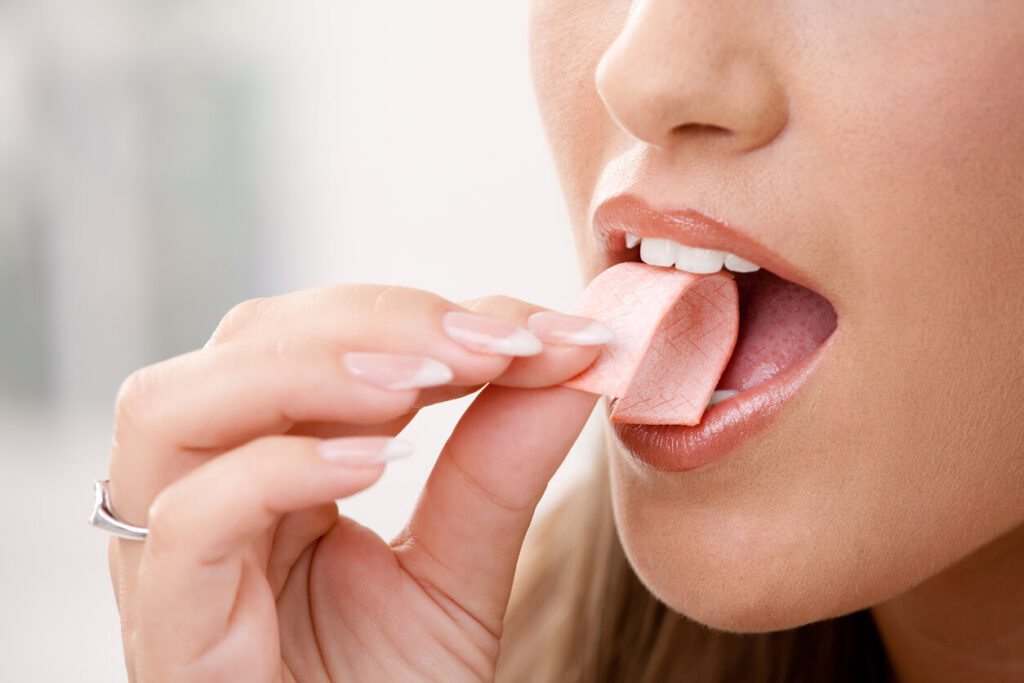
🧠 Did you know…?
Chewing gum alone can improve concentration and memory?
🧠 Chewing increases blood flow to the brain and helps maintain focus, particularly during repetitive tasks. Research suggests that gum chewers perform 20–30% better on memory and attention tests.
💡 Tip:
Keep some sugar-free gum with you. Try chewing a piece on your way to work and see whether your day feels smoother!
English video text
Did you know…?
Chewing gum alone can improve concentration and memory?
Chewing increases blood flow to the brain and helps maintain focus, particularly during repetitive tasks. Research suggests that gum chewers perform 20–30% better on memory and attention tests.
Tip:
Keep some sugar-free gum with you. Try chewing a piece on your way to work and see whether your day feels smoother!
English text version of this topic. The original video contains Hungarian text.
🧠 Did you know…?
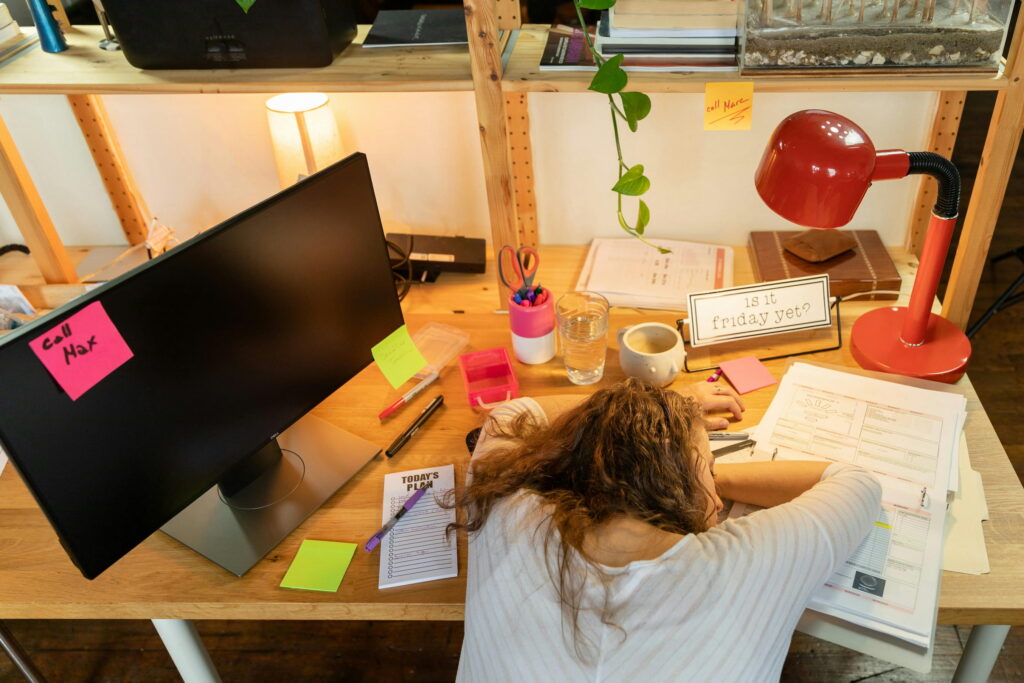
Making fewer decisions each day can help you be more effective and less stressed?
🌀 Your brain makes a huge number of decisions each day, potentially as many as 35,000. The resulting decision fatigue can reduce concentration and increase the likelihood of mistakes over time.
👕 This is why many successful people choose a simple wardrobe or a planned daily routine: to save their energy for important decisions.
💡 Tip: Plan your weekly meals, choose the next day’s clothes in advance or set regular times for recurring tasks. You may be surprised by how much energy you save!
English video text
Did you know…?
Making fewer decisions each day can help you be more effective and less stressed?
Your brain makes a huge number of decisions each day, potentially as many as 35,000. The resulting decision fatigue can reduce concentration and increase the likelihood of mistakes over time.
This is why many successful people choose a simple wardrobe or a planned daily routine: to save their energy for important decisions.
Tip: Plan your weekly meals, choose the next day’s clothes in advance or set regular times for recurring tasks. You may be surprised by how much energy you save!
English text version of this topic. The original video contains Hungarian text.

English video text
Did you know…?
During a papal election, each ballot paper is pierced with a needle after the cardinal casts a vote?
The reason is to make sure every vote has been cast and that none can disappear or be added later.
The needle is attached to a silk cord that threads the ballots together: an old symbolic gesture representing transparency and unity.
One more interesting fact:
In the past, the smoke rising from the Sistine Chapel chimney after a vote could be ambiguous, appearing grey or brown and confusing the waiting crowd.
In 1958, for example, the faithful thought they saw white smoke and began celebrating, only to learn that no pope had been elected.
Since 2005, an electronically controlled chimney system has been used to produce clearly black or white smoke and avoid confusion.
English text version of this topic. The original video contains Hungarian text.
English video text
Did you know…?
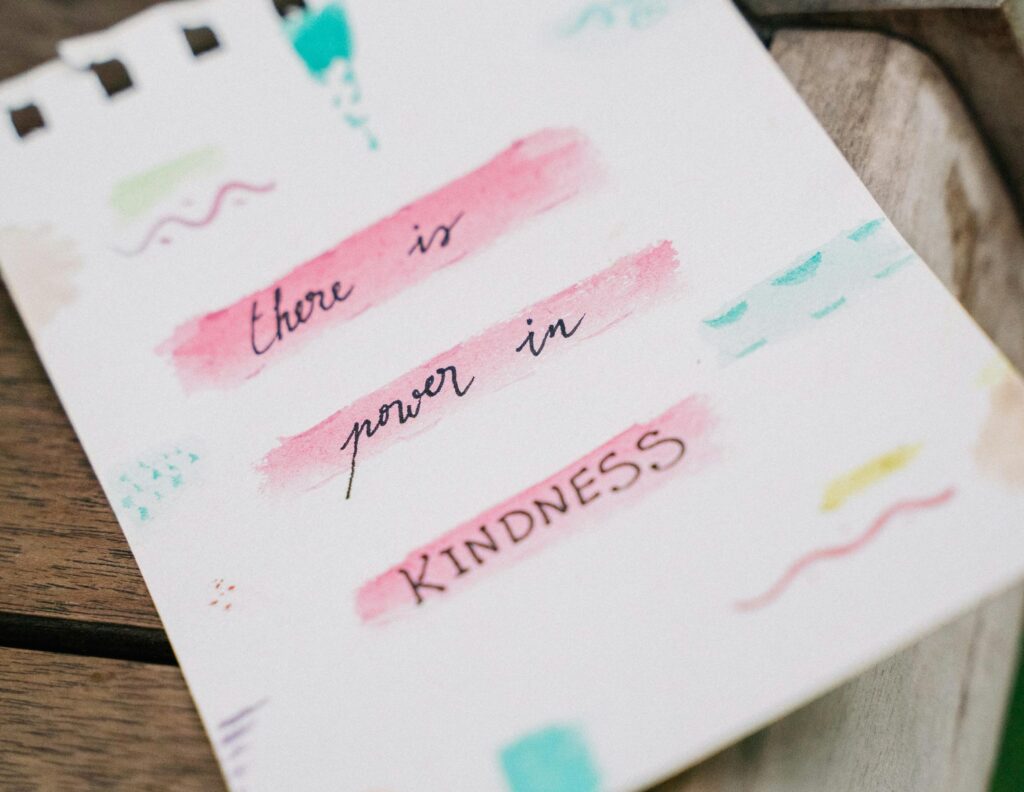
Small positive habits, such as smiling or saying something kind, can change your mood and other people’s too?
The positive things we do can start a chain reaction: when you are kind to someone, they are more likely to be kind to others. One small gesture can travel a long way!
Tip:
Try doing one small good thing each day: offer a kind compliment, say thank you or simply be more patient. You may be surprised by how much it changes your day!
English text version of this topic. The original video contains Hungarian text.

🧠 Did you know…?
Even one bad night can affect your concentration, mood and immune system?
🛌 Sleep is more than rest; it is also the brain’s housekeeping time. It processes the day’s events, strengthens memories and filters out unnecessary information.
⏰ Sleep also helps regulate hormones that affect stress management, hunger and the body’s recovery.
💡 Tip: Avoid screens for at least 30 minutes before bed, and try to go to sleep and get up at the same time each day. These habits can help you sleep better!
English video text
Did you know…?
Even one bad night can affect your concentration, mood and immune system?
Sleep is more than rest; it is also the brain’s housekeeping time. It processes the day’s events, strengthens memories and filters out unnecessary information.
Sleep also helps regulate hormones that affect stress management, hunger and the body’s recovery.
Tip: Avoid screens for at least 30 minutes before bed, and try to go to sleep and get up at the same time each day. These habits can help you sleep better!
English text version of this topic. The original video contains Hungarian text.
🧠 Did you know…?
The practice of deep breathing does more than calm you down: it can improve concentration and lower stress hormone levels?
🫁 Slow, steady breathing signals to your nervous system that everything is all right. It helps you switch into a calmer state even when the world around you is busy.
🧘 Tip:
Try the 5-5-5 method:
👉 breathe in for 5 seconds,
👉 hold your breath for 5 seconds,
👉 then breathe out over 5 seconds.
A few minutes can be enough to notice a difference.

English video text
Did you know…?
The practice of deep breathing does more than calm you down: it can improve concentration and lower stress hormone levels?
Slow, steady breathing signals to your nervous system that everything is all right. It helps you switch into a calmer state even when the world around you is busy.
Tip:
Try the 5-5-5 method:
breathe in for 5 seconds,
hold your breath for 5 seconds,
then breathe out over 5 seconds.
A few minutes can be enough to notice a difference.
English text version of this topic. The original video contains Hungarian text.

🧠 Did you know…?
Positive thinking is not an inborn trait: anyone can develop it through conscious practice?
🌞 Our brains tend to focus more on negative things, a pattern called negativity bias, but regular practice can reshape it. A few minutes of positive focus each day can help change our thinking patterns.
💡 Tip:
Every evening, recall three things that went well that day, however small. Over time, this simple habit can help you become more optimistic and resilient.
English video text
Did you know…?
Positive thinking is not an inborn trait: anyone can develop it through conscious practice?
Our brains tend to focus more on negative things, a pattern called negativity bias, but regular practice can reshape it. A few minutes of positive focus each day can help change our thinking patterns.
Tip:
Every evening, recall three things that went well that day, however small. Over time, this simple habit can help you become more optimistic and resilient.
English text version of this topic. The original video contains Hungarian text.
🧠 Did you know…?
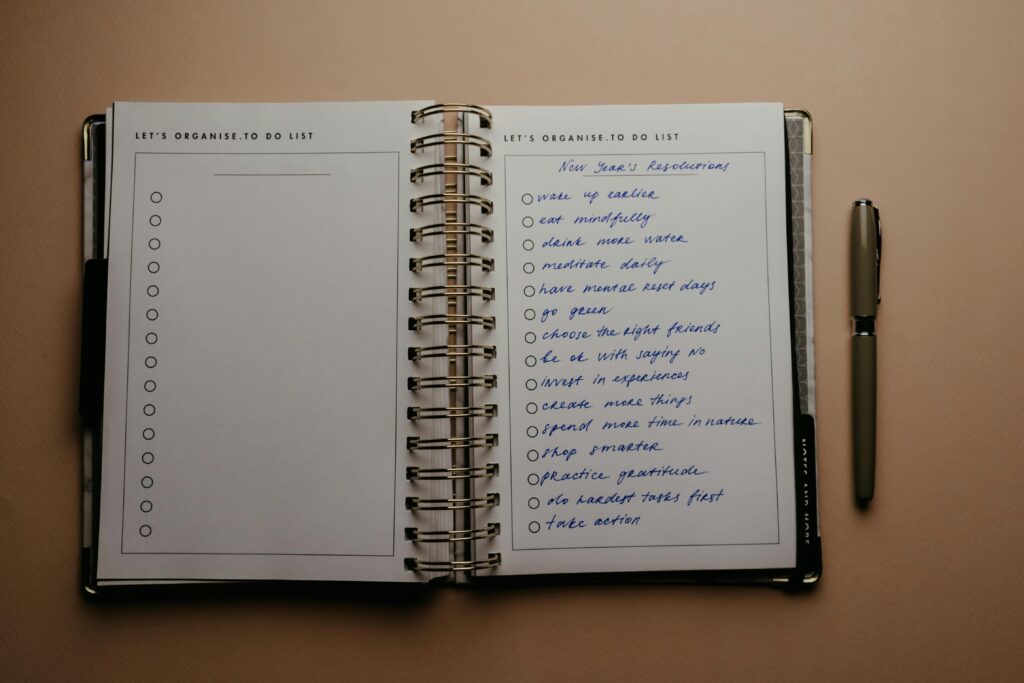
Writing down your goals dramatically increases your chances of achieving them?
📝 Research suggests that people who put their goals on paper are up to 42% more likely to achieve them than people who only think about them.
💡 Tip:
Write your goals in a notebook or a note, and keep them somewhere you will see them often!
English video text
Did you know…?
Writing down your goals dramatically increases your chances of achieving them?
Research suggests that people who put their goals on paper are up to 42% more likely to achieve them than people who only think about them.
Tip:
Write your goals in a notebook or a note, and keep them somewhere you will see them often!
English text version of this topic. The original video contains Hungarian text.
English video text
Did you know…?
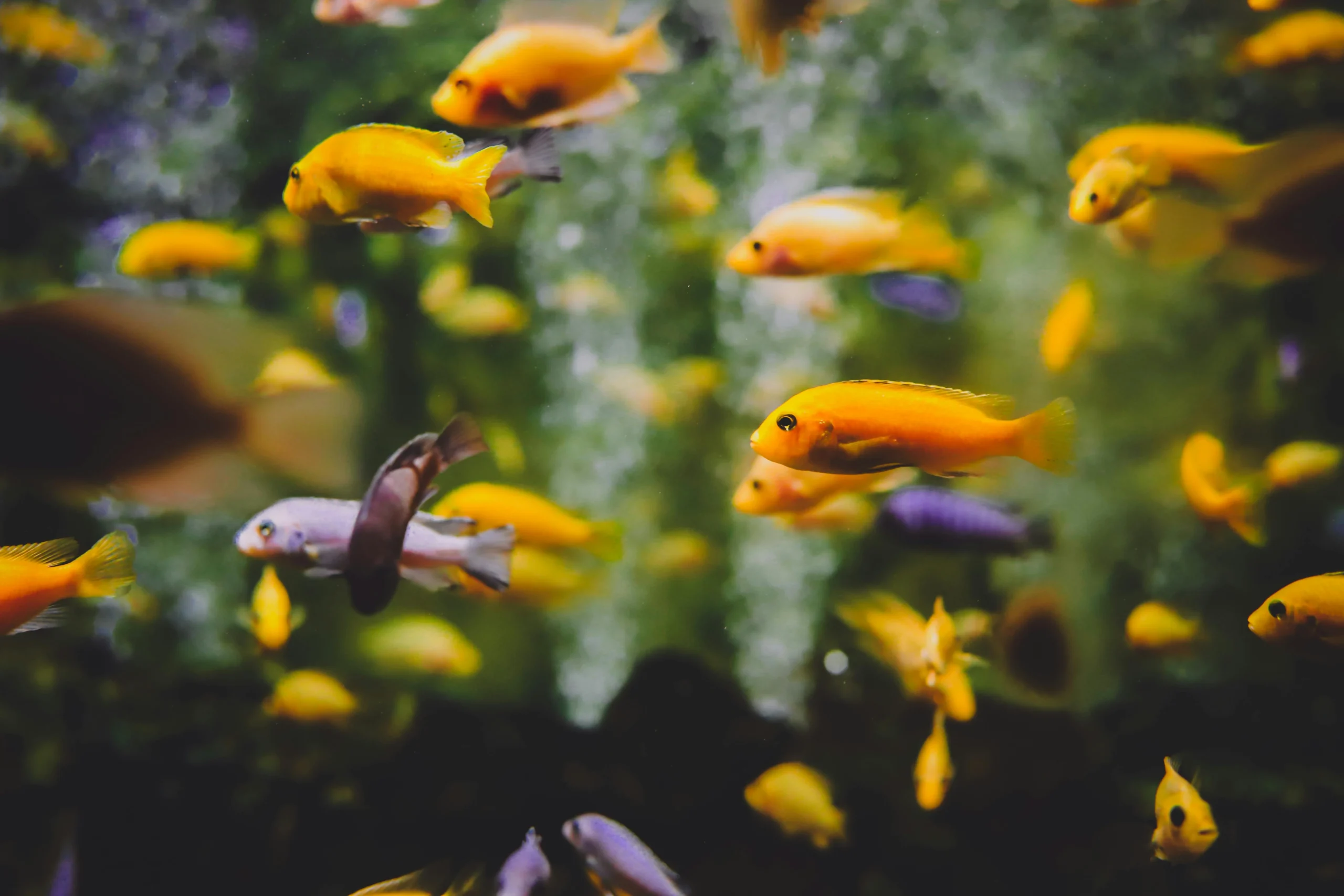
Watching fish, even in a home aquarium, can dramatically reduce stress hormones?
The sight of an aquarium and the fish’s slow movements calm the nervous system: watching for just 5–10 minutes can measurably lower heart rate and cortisol levels.
Tip:
If you do not have an aquarium, search for short “relaxing fish tank” videos. A few minutes of watching fish online can have a similar effect!
English text version of this topic. The original video contains Hungarian text.

English video text
Did you know…?
Children laugh an average of 300 times a day, while adults laugh only about 20 times?
Laughter does more than make you happy: it also strengthens the immune system, reduces stress and boosts creativity.
Tip:
Learn from children! Allow yourself to be playful and laugh spontaneously, and you may find life feels lighter.
English text version of this topic. The original video contains Hungarian text.

🧠 Did you know…?
The relationship between rosemary aroma and cognitive performance has also been studied by researchers.
🌿 In a study involving 20 participants, the blood concentration of a compound found in rosemary was associated with the speed and accuracy of performance on certain tasks. This does not establish that rosemary oil generally improves short-term memory by 75%.
💡 Tip: When you see an impressive percentage claim, check exactly what was measured and how many people took part in the study.
English video text
Did you know…?
The relationship between rosemary aroma and cognitive performance has also been studied by researchers.
In a study involving 20 participants, the blood concentration of a compound found in rosemary was associated with the speed and accuracy of performance on certain tasks. This does not establish that rosemary oil generally improves short-term memory by 75%.
Tip: When you see an impressive percentage claim, check exactly what was measured and how many people took part in the study.
Source: Moss and Oliver, 2012 – study abstract.
English text version of this topic. The original video contains Hungarian text. This written version follows the corrected article; the original recording is unchanged.
🧠 Did you know…?
When they match what is being said, hand gestures can help listeners understand the message.
🤚 In one study, gestures that matched speech helped participants process information. This does not mean that every hand movement increases audience attention by 40%: the meaning of the gesture and its relationship to the speech also matter.
💡 Tip: During a presentation, use a few natural gestures that illustrate your message to highlight the key points.
Source: Covert Attention to Gestures Is Sufficient for Information Uptake, 2021.

English video text
Did you know…?
When they match what is being said, hand gestures can help listeners understand the message.
In one study, gestures that matched speech helped participants process information. This does not mean that every hand movement increases audience attention by 40%: the meaning of the gesture and its relationship to the speech also matter.
Tip: During a presentation, use a few natural gestures that illustrate your message to highlight the key points.
Source: Covert Attention to Gestures Is Sufficient for Information Uptake, 2021.
English text version of this topic. The original video contains Hungarian text. This written version follows the corrected article; the original recording is unchanged.

🧠 Did you know…?
The bright orange foods can stimulate your appetite and support a positive mood?
🍊 Orange and reddish-orange tones stimulate feel-good hormones and boost appetite, which is why they are often used for cheerful, creative kitchen accessories.
💡 Tip:
Put an orange tea towel or serving bowl on the table. Even the sight of it can brighten up breakfast!
English video text
Did you know…?
The bright orange foods can stimulate your appetite and support a positive mood?
Orange and reddish-orange tones stimulate feel-good hormones and boost appetite, which is why they are often used for cheerful, creative kitchen accessories.
Tip:
Put an orange tea towel or serving bowl on the table. Even the sight of it can brighten up breakfast!
English text version of this topic. The original video contains Hungarian text.
🧠 Did you know…?
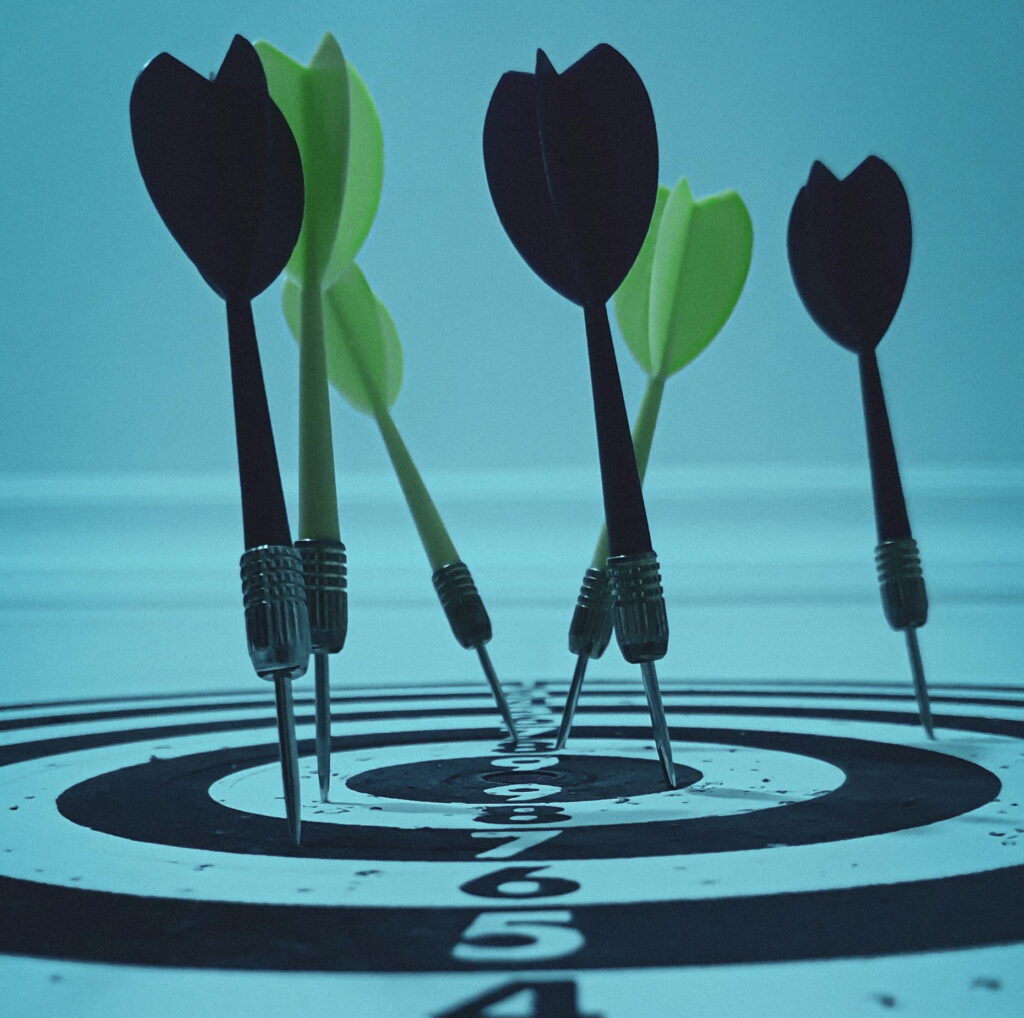
People who set specific goals are much more likely to achieve what they want?
🎯 The process of goal setting activates the brain’s focusing system, the RAS or reticular activating system, helping you notice opportunities, resources and solutions that you might previously have missed.
💡 Tip:
Go beyond vague wishes such as “I want to be successful”. Make your goal specific, measurable and time-bound, for example: “I will write for my project for 10 minutes every day for a month.”
English video text
Did you know…?
People who set specific goals are much more likely to achieve what they want?
The process of goal setting activates the brain’s focusing system, the RAS or reticular activating system, helping you notice opportunities, resources and solutions that you might previously have missed.
Tip:
Go beyond vague wishes such as “I want to be successful”. Make your goal specific, measurable and time-bound, for example: “I will write for my project for 10 minutes every day for a month.”
English text version of this topic. The original video contains Hungarian text.